
Finding the right hospital or clinic can be an important decision for you and your family. Whether you need a routine consultation, diagnostic services, specialist care, or treatment for an ongoing health concern, choosing a suitable healthcare facility requires careful consideration.
A quick search for hospitals near me may show dozens of options. However, the closest facility is not always the most suitable one for your needs.
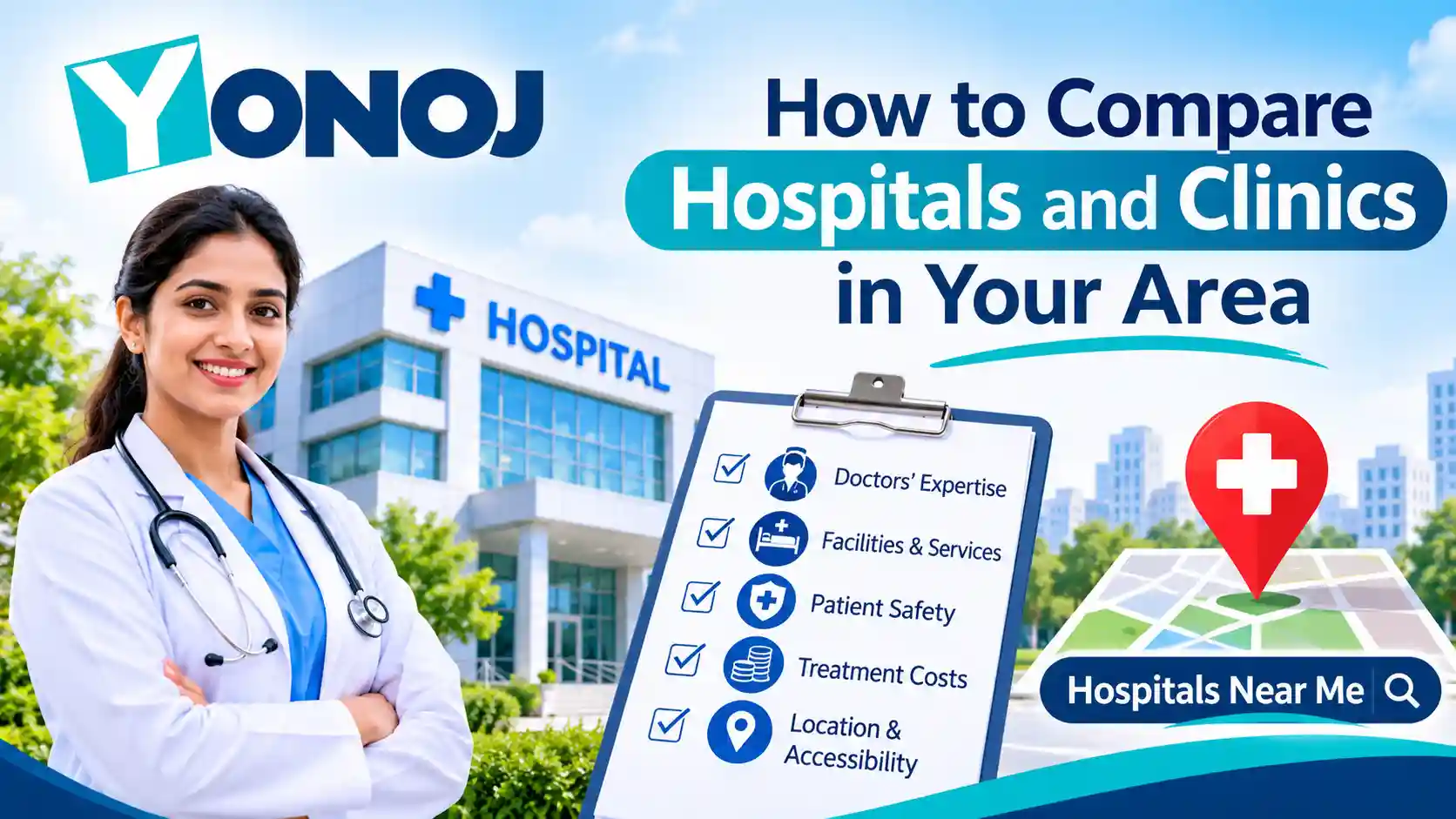
This guide explains how to compare hospitals and clinics in your area by looking at medical services, doctors’ qualifications, patient safety, facilities, costs, accessibility, and patient feedback.
1. Identify the Medical Services You Need
Before comparing hospitals, identify the type of care you are looking for.
Common healthcare needs include:
- General physician consultation
- Specialist consultation
- Diagnostic tests and imaging
- Dental care
- Maternity services
- Emergency treatment
- Surgery or inpatient care
- Preventive health checkups
A small clinic may be suitable for routine consultations, while a larger hospital may offer specialist departments, inpatient facilities, and emergency services.
For emergencies, do not delay treatment while comparing reviews or prices. Contact local emergency services or visit an appropriate emergency department immediately.
2. Check Doctors’ Qualifications and Experience
The quality and suitability of medical care depend significantly on the professionals providing it.
When comparing hospitals and clinics, consider:
- Doctor’s medical qualifications
- Relevant specialist training
- Registration with the appropriate medical council
- Experience treating conditions similar to yours
- Availability of specialist consultations
- Communication and patient-care approach
You can ask the hospital for information about its doctors or verify registration through the relevant official medical council where available.
For specialist treatment, look for a doctor whose training and experience align with your healthcare needs rather than relying only on popularity or online ratings.
3. Look for NABH Accreditation or Other Quality Recognition
Healthcare quality and patient safety should be important factors when comparing facilities.
In India, the National Accreditation Board for Hospitals and Healthcare Providers (NABH) offers accreditation and certification programmes for different healthcare organisations, including hospitals and smaller healthcare facilities.
NABH standards cover areas such as patient rights, clinical care, medication management, infection control, patient safety, staff competence, and facility management.
When reviewing a hospital:
- Ask whether it holds NABH accreditation or certification.
- Check which programme applies to the facility.
- Verify the status through NABH’s official information where possible.
- Confirm that the recognition applies to the facility you plan to visit.
Accreditation can be a useful quality indicator, but it does not guarantee a particular treatment outcome. Non-accredited facilities should also be assessed based on appropriate licensing, qualified staff, services, and safety practices.
4. Compare Facilities and Available Equipment
Different hospitals provide different levels of care.
Depending on your needs, check whether the facility has:
- Emergency department
- Intensive Care Unit (ICU)
- Laboratory services
- Diagnostic imaging facilities
- Pharmacy
- Operation theatre
- Ambulance services
- Specialist departments
- Inpatient rooms or beds
If a hospital does not provide the required service, ask whether it refers patients to another facility.
For routine care, a nearby clinic may be convenient. For complex treatment, consider whether the hospital has the relevant specialists and supporting facilities.
5. Read Patient Reviews Carefully
Online reviews can help you understand other patients’ experiences.
Look for feedback about:
- Appointment availability
- Waiting times
- Staff behaviour
- Cleanliness
- Billing transparency
- Doctor communication
- Follow-up arrangements
- General patient experience
Read several reviews rather than relying on one very positive or negative comment.
Remember that reviews are subjective. They may reflect an individual experience and cannot independently establish clinical quality or treatment effectiveness.
6. Compare Consultation Fees and Treatment Costs
Healthcare costs can vary significantly between facilities.
Before booking, ask about:
- Doctor consultation fees
- Follow-up consultation charges
- Diagnostic test costs
- Room charges, if applicable
- Procedure or treatment estimates
- Additional service charges
- Accepted insurance or health schemes
For planned procedures, request a written estimate and ask what is included.
Do not choose a healthcare provider based only on the lowest price. Consider the doctor’s qualifications, suitability of care, available facilities, and overall transparency.
7. Check Insurance and Cashless Treatment Options
If you have health insurance, confirm whether the hospital is part of your insurer’s network.
Ask the hospital’s insurance desk:
- Is my insurance policy accepted?
- Is cashless treatment available for this service?
- Does the policy require pre-authorisation?
- What expenses may not be covered?
- Are there room-category restrictions?
- What documents are required?
Network status and cashless approval can depend on your insurer, policy terms, treatment, and current arrangements.
Always confirm coverage with the insurance provider before planned admission or treatment.
8. Consider Location and Accessibility
The hospital’s location can make a difference, especially if you need repeated appointments.
Consider:
- Distance from your home or workplace
- Travel time during busy hours
- Public transport availability
- Parking facilities
- Wheelchair accessibility
- Lift and ramp availability
- Visiting hours
- Availability of ambulance access
For regular consultations, a conveniently located clinic may reduce travel stress.
For serious or specialised conditions, however, appropriate medical expertise and facilities may matter more than distance.
9. Check Cleanliness and Patient Safety Practices
Cleanliness and infection prevention are important considerations when visiting healthcare facilities.
During a visit, observe:
- General cleanliness
- Hand hygiene facilities
- Clean waiting areas
- Waste disposal practices
- Staff use of appropriate protective equipment
- Patient privacy
- Clear safety instructions
You may also ask how the facility manages infection prevention, patient identification, medication safety, and complaints.
NABH standards include infection control, patient rights, and patient safety as important areas of healthcare quality.
Do not hesitate to ask staff questions about safety procedures.
10. Ask About Appointment and Follow-Up Support
A hospital or clinic should provide clear information about appointments and follow-up care.
Before booking, check:
- Whether appointments are required
- How long you may need to wait
- Whether online consultations are available
- How medical reports are shared
- How follow-up appointments are scheduled
- Whom to contact for questions after consultation
For ongoing treatment, reliable communication and continuity of care can be especially important.
11. Questions to Ask Before Choosing a Hospital
Use these questions when comparing hospitals or clinics:
- Does the facility provide the service I need?
- Which doctor or specialist will see me?
- What are the doctor’s qualifications?
- What is the consultation fee?
- Are additional tests likely to be charged separately?
- Does the hospital accept my insurance?
- Is appointment booking required?
- What follow-up services are available?
- Is the facility appropriately licensed and accredited, where applicable?
- What should I bring for my appointment?
The answers can help you make a more informed decision.
12. Hospital Comparison Checklist
| Factor | What to Compare |
|---|---|
| Medical services | Availability of the required treatment or consultation |
| Doctors | Qualifications, registration, and relevant experience |
| Accreditation | NABH or other applicable quality recognition |
| Facilities | Emergency, diagnostic, and inpatient services |
| Patient feedback | Reviews about service and communication |
| Costs | Consultation, tests, and additional charges |
| Insurance | Network status and cashless availability |
| Location | Distance, transport, and accessibility |
| Safety | Cleanliness, hygiene, and patient safety practices |
| Follow-up | Appointment and report support |
Use this checklist to compare two or more facilities before booking a non-emergency appointment.
Conclusion
Choosing a hospital or clinic involves more than searching for the nearest healthcare provider. Compare the services available, doctors’ qualifications, quality recognition, patient feedback, costs, insurance options, and accessibility.
For routine healthcare, a nearby clinic may be convenient. For specialist treatment or complex medical needs, consider the facility’s expertise and supporting services.
If you are searching for hospitals near me, explore healthcare and medical service listings on Yonoj.net to discover facilities in your area. Verify important details directly with the hospital before booking.
Disclaimer: This article is for general informational purposes only and does not provide medical advice or recommend a particular hospital. For medical emergencies, seek immediate professional care.